July
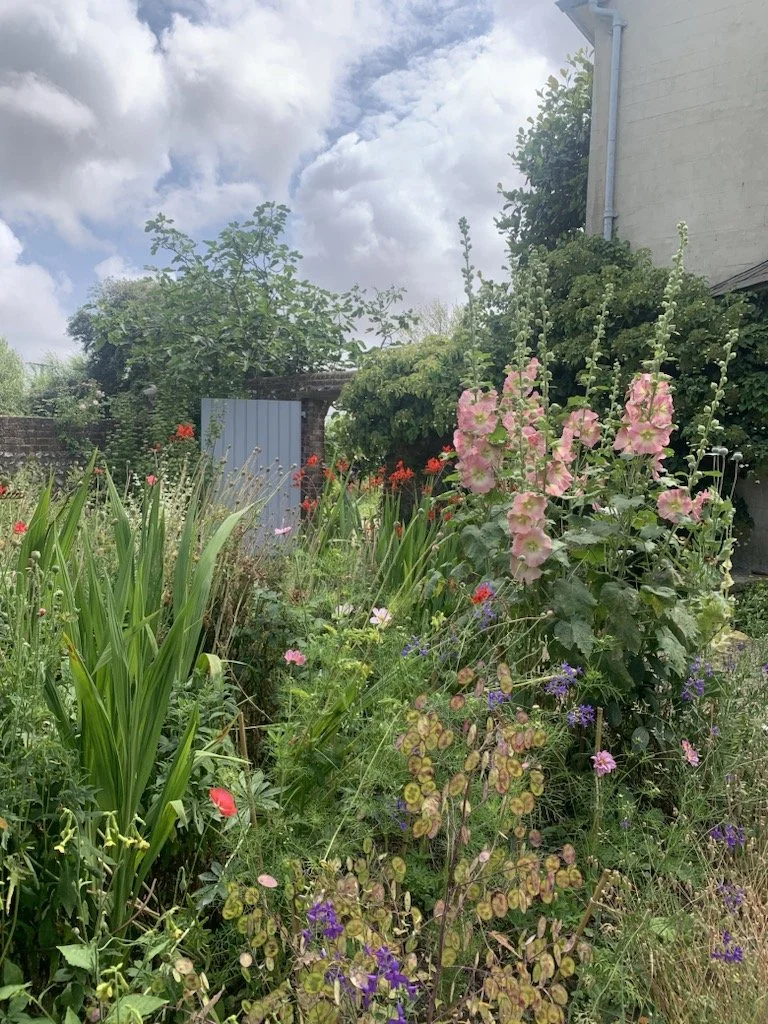
This July I have found comfort in the soporific grey skies, the heaviness of the clouds has lulled me to rest. It feels strange to be resting when all plant life around me is blooming. I watch fruit trees swell; cherries and plums, their skins shifting through various shades of pink, becoming sweeter and darker each day. Although my skin too, changes colour this month, that is, on the days the grey clouds part for the sun to shine through, I do not feel the same energy as open flowers and ripened fruit - I have felt a significant lack in creativity this July. I cannot help but think it is related to the disappearance of sun, I am a sun worshipper, sun gives me energy! However, in this quietness, I have learnt that this pressure to be constantly growing and developing is not necessarily the answer. In fact, I have found the opposite. I’ve found life seems to start when we stop. The slow moments in between - that is where I have found joy.
In the Field
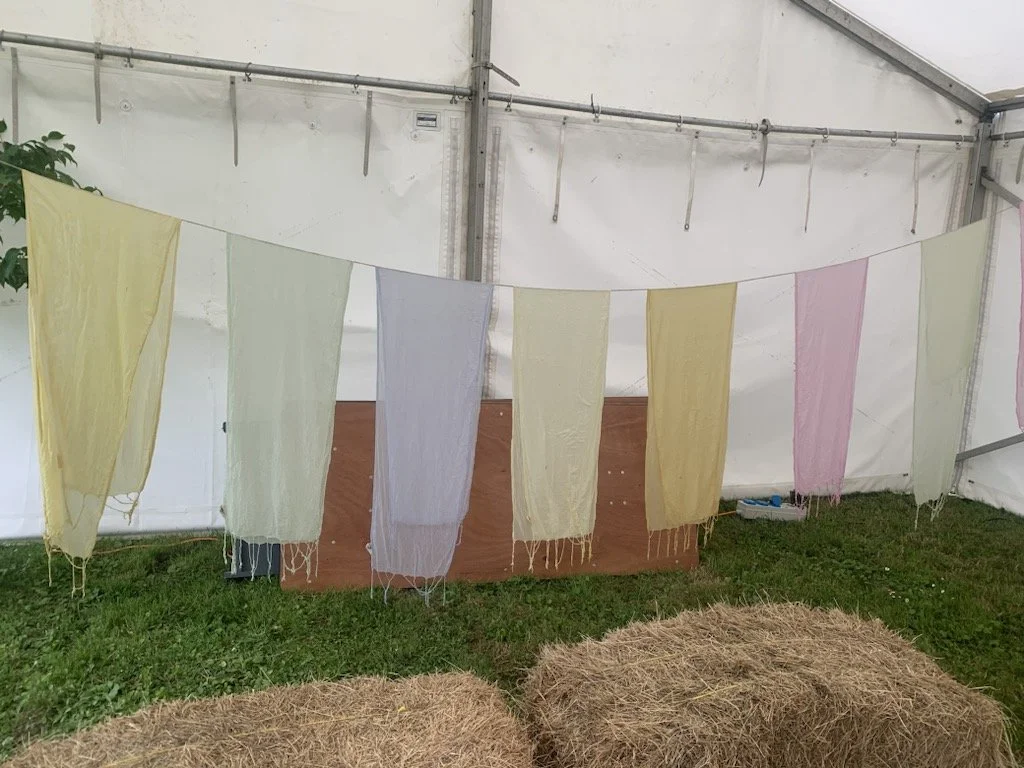
It has been Dock that has caught my attention this month. Deep, rusty red/brown spires stand proud against the grasses. Their seeds are so tempting, I can’t help but run my hand up their stem to receive a fistful of seeds myself. As I move through fields, I repeat this, filling my bag with vermillion jewels. Once home, I fill my dye pot and in anticipation, I await to discover what colour might be offered from this quite regal plant of the month.
Whilst I wait, (because Natural Dyeing involves a lot of patience) I research various other benefits of Dock - a habitat to over 150 species; a healer of bruises; the addition to a salad - the list goes on. I learn, again, how incredibly important and powerful our wild and native plants are. I really do believe that if we stop seeing plants such as Dock as weeds and choose to work with them instead, we will discover a relationship that can heal not only land, but ourselves and our communities too.
This way of interacting with plants is an essential way of life for indigenous peoples across America who work hard to keep knowledge and respect of land alive. My boyfriend Michael recently introduced me to the series ‘Tending the Wild’ - a series of short videos documenting the land based wisdom and work of an indigenous community in California. It deeply moved and inspired me and so I have left the link here in the hope it might you too.
Ps, Dock gifted me the most beautiful shades of rust pink, like their seeds themselves
Cultural Burning | Tending the Wild | Season 1, Episode 1 | KCET - YouTube
In the Woods
I am a shocked to find fungi in July. Porcini, Russulas, Agarics and more - of course, I am delighted to see old friends return, but, I confess, it is hard to get too excited as I feel fungi is a sure sign Summer is ending and Autumn commencing. I love Autumn more than anything, but, I don’t yet feel my time with Summer is over for this year.
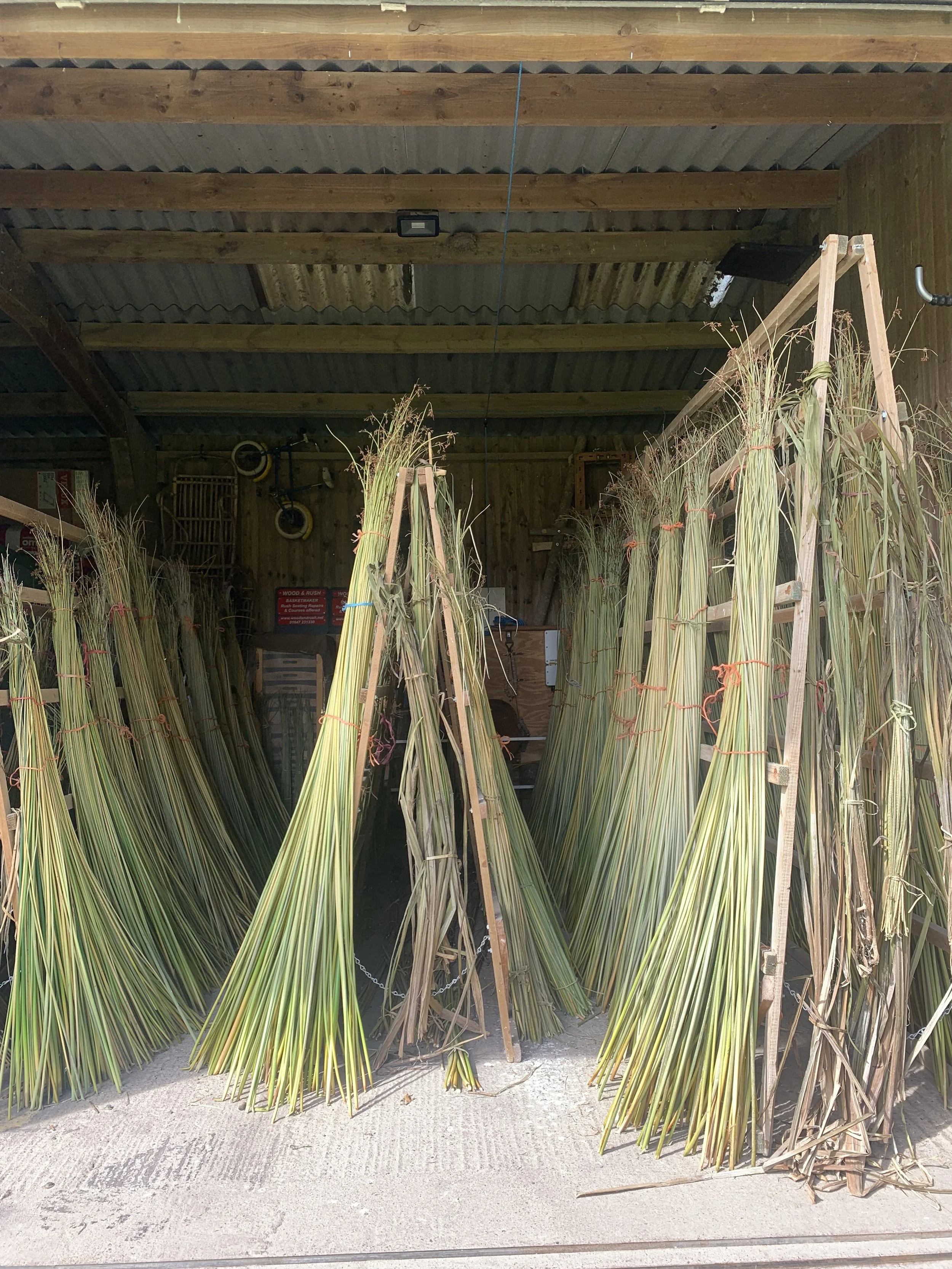
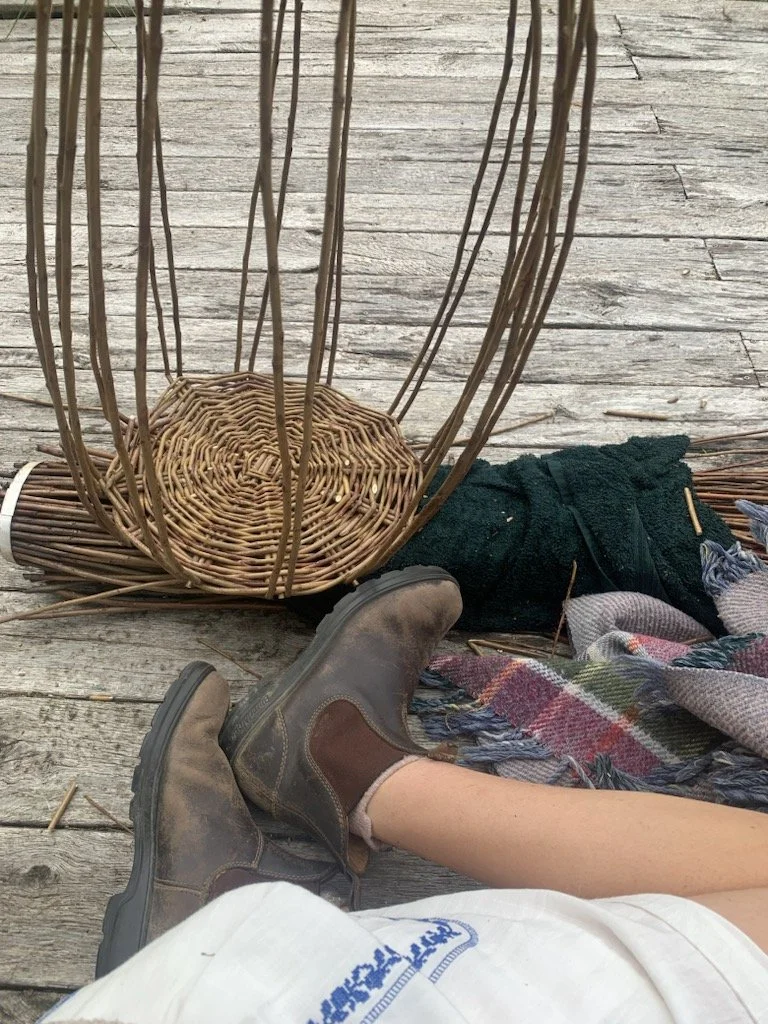
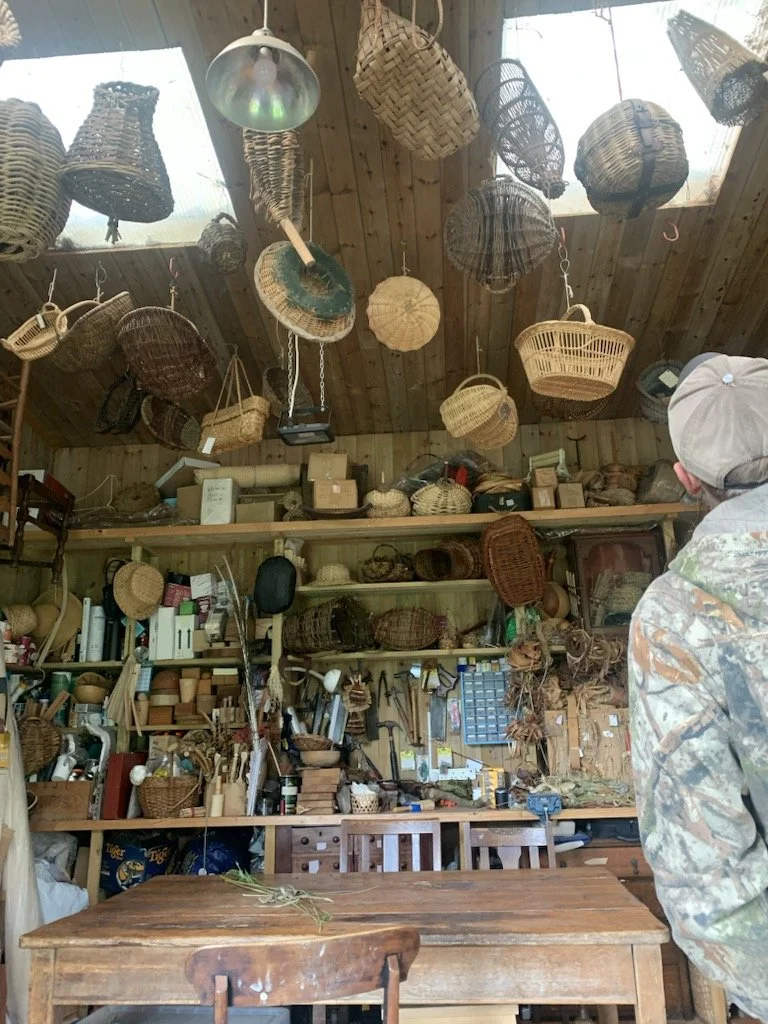
Instead of harvesting yet, I have decided to soak Willow and weave a fungi foraging basket in their honour. I soak Willow for weaving under the full moon, when water levels are highest, and weave on the new moon, a time for creativity and birthing new life. For me, this is deeply satisfying as a way to ground myself in the cyclical rhythms of nature. It is also means my fungi basket will likely not be ready until September, hopefully by then, I will feel more comfortable welcoming in Autumn.
In the Garden
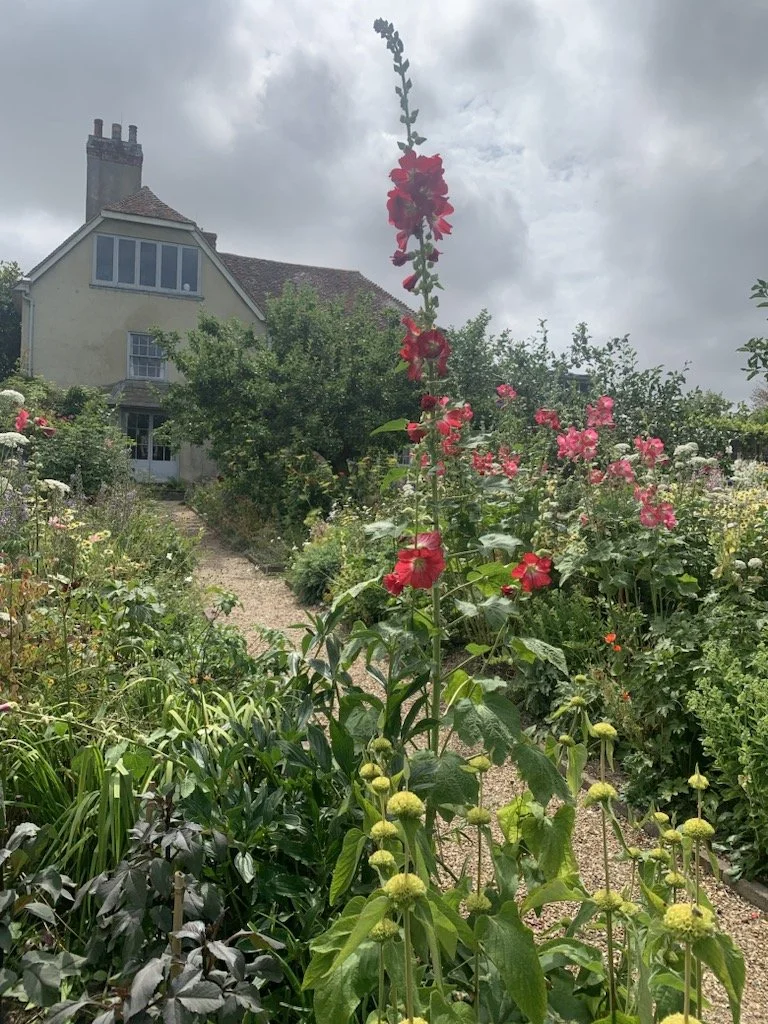
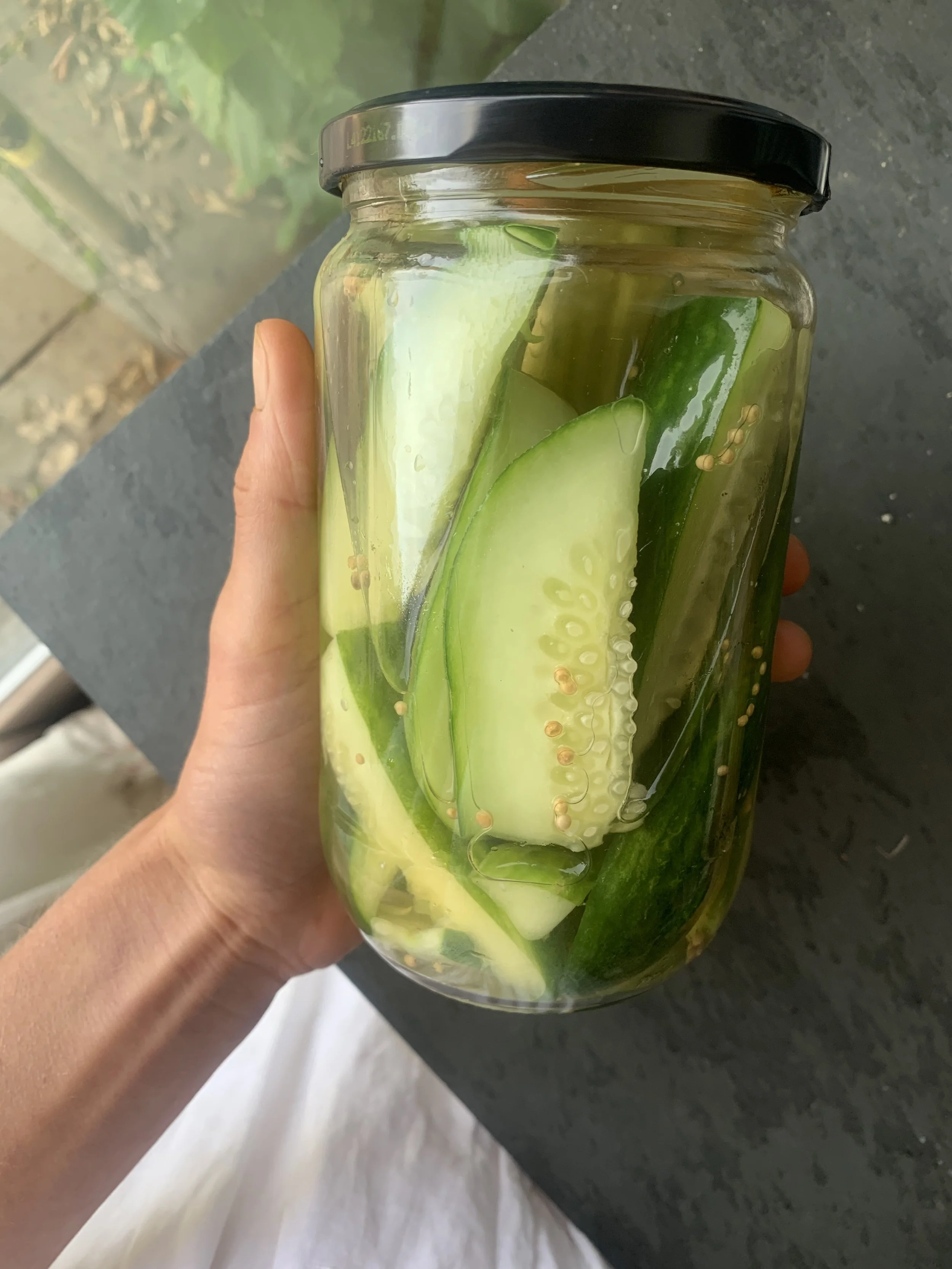
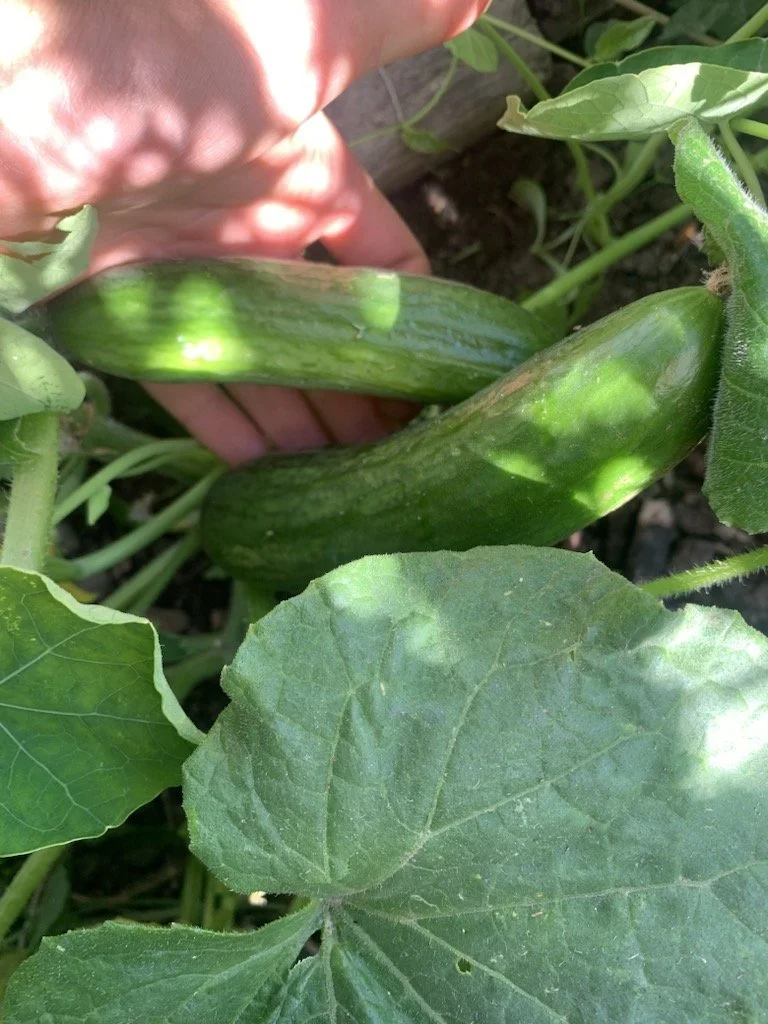
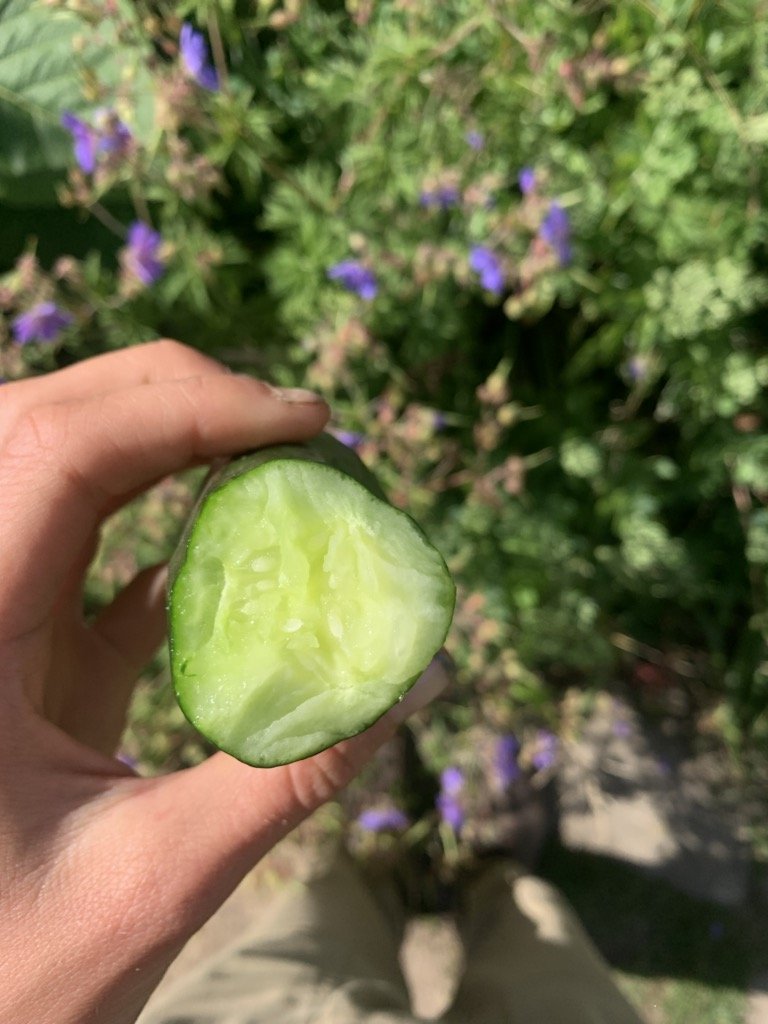
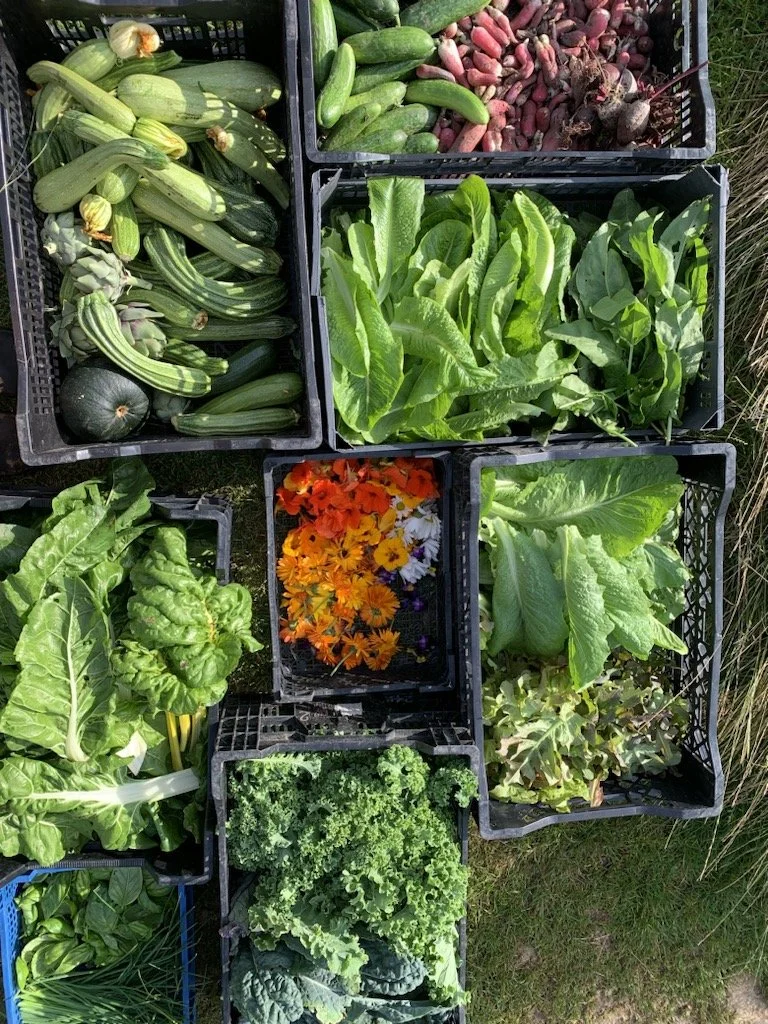
The vegetable garden has gifted an abundance this July. There is Kale, Cavolo Nero, Cucumbers, Beetroot, Courgettes, Runner Beans, Chillis, all sorts of salads and much more. I really love vegetables, Some might even say I am obsessed. I love growing vegetables, harvesting vegetables, pickling and preserving vegetables, cooking vegetables and of course eating vegetables. My favourite this year have been the Italian Courgette Romanesco, with its stripey exterior and almost nutty taste, he’s been a bit of a Lothario in the veg garden. I have love for Cumbers too. Last year I grew Lemon Drop and was completely charmed by its sweet size and pale yellow colour. But, this year it has been Cucumber Hokus, chosen for its superior pickling abilities. I can confirm, Cucumber Hokus makes for a delicious pickle and I have left the recipe below in case you would like to try too (any cucumber can be used).
In the Cauldron
Ingredients
3 Pickling Cucumbers (each about 4 inches in length, sliced evenly)
5 sprigs Fresh Dill
½ cup Apple Cider Vinegar
½ cup Water
2 cloves Garlic (smashed)
1 ½ teaspoons Salt
¼ teaspoon Granulated Sugar
¼ teaspoon Whole Black Peppercorns
¼ teaspoon Whole Yellow Mustard Seeds
Method
Pack a clean jar with sliced cucumbers, onion slices, and dill sprigs. Leave a 1/2 inch of space at the top of the jar for liquid.
In a small saucepan heat the vinegar, water, garlic, and all spices until the mixture comes to a simmer and the salt and sugar dissolve.
Cool the brine down to warm, and fill the jar so everything is covered with brine.
Close the lid tightly and refrigerate for 24 hours before eating.
Inspiration
Wistmans Wood - Dartmoor
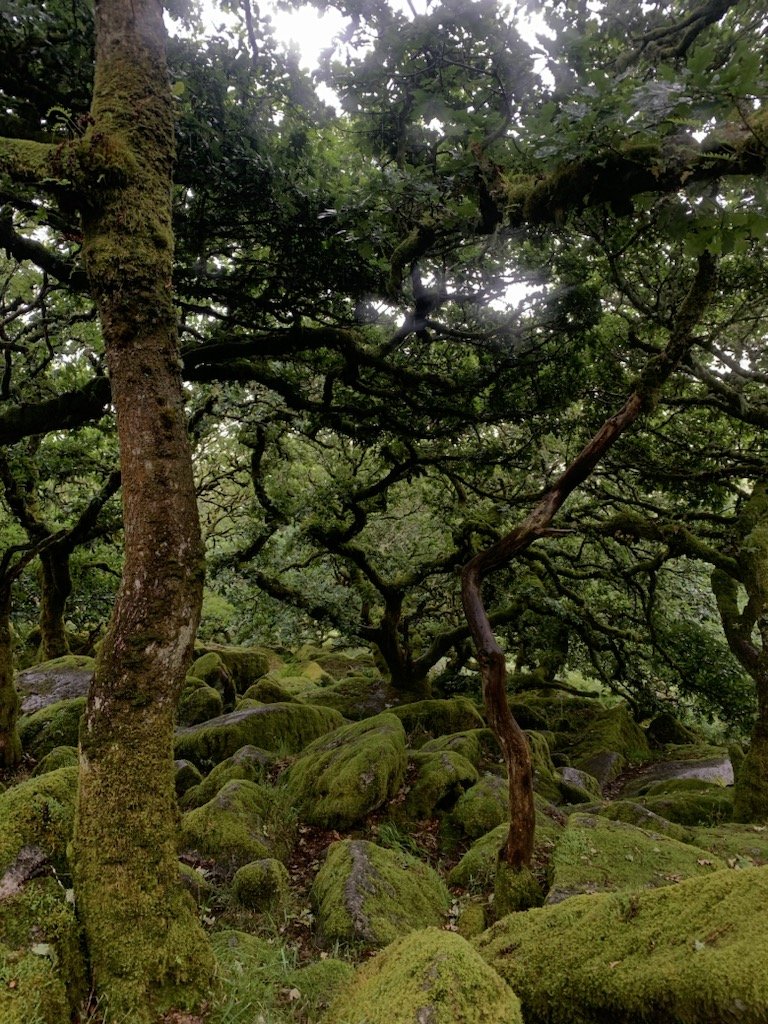
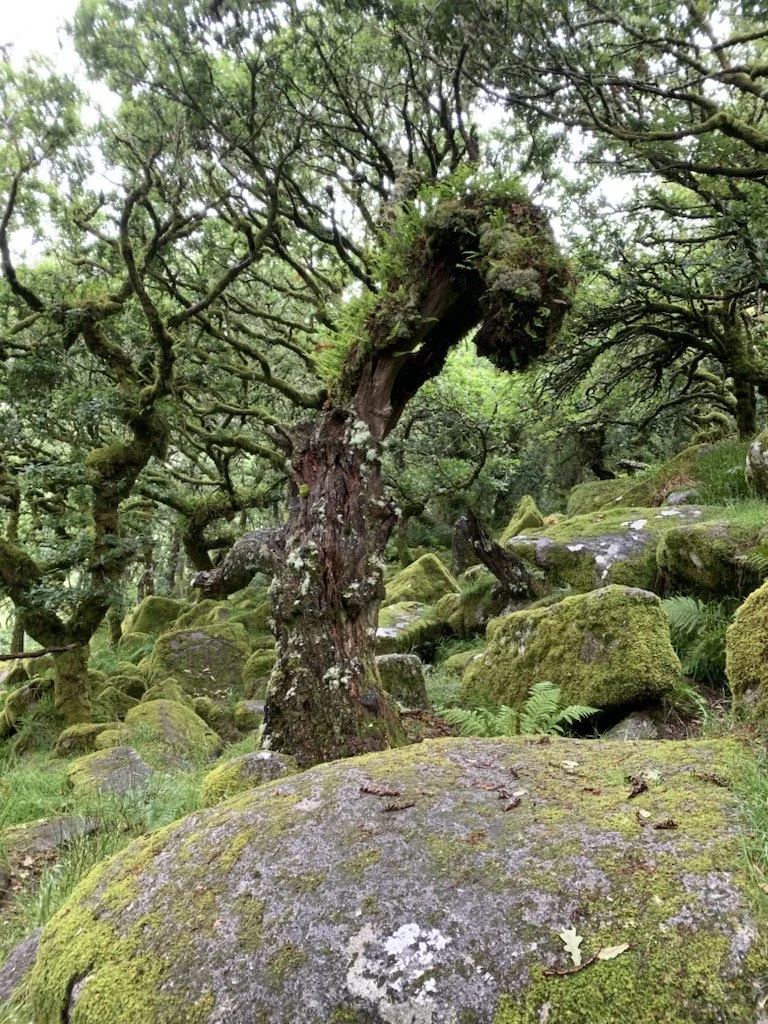
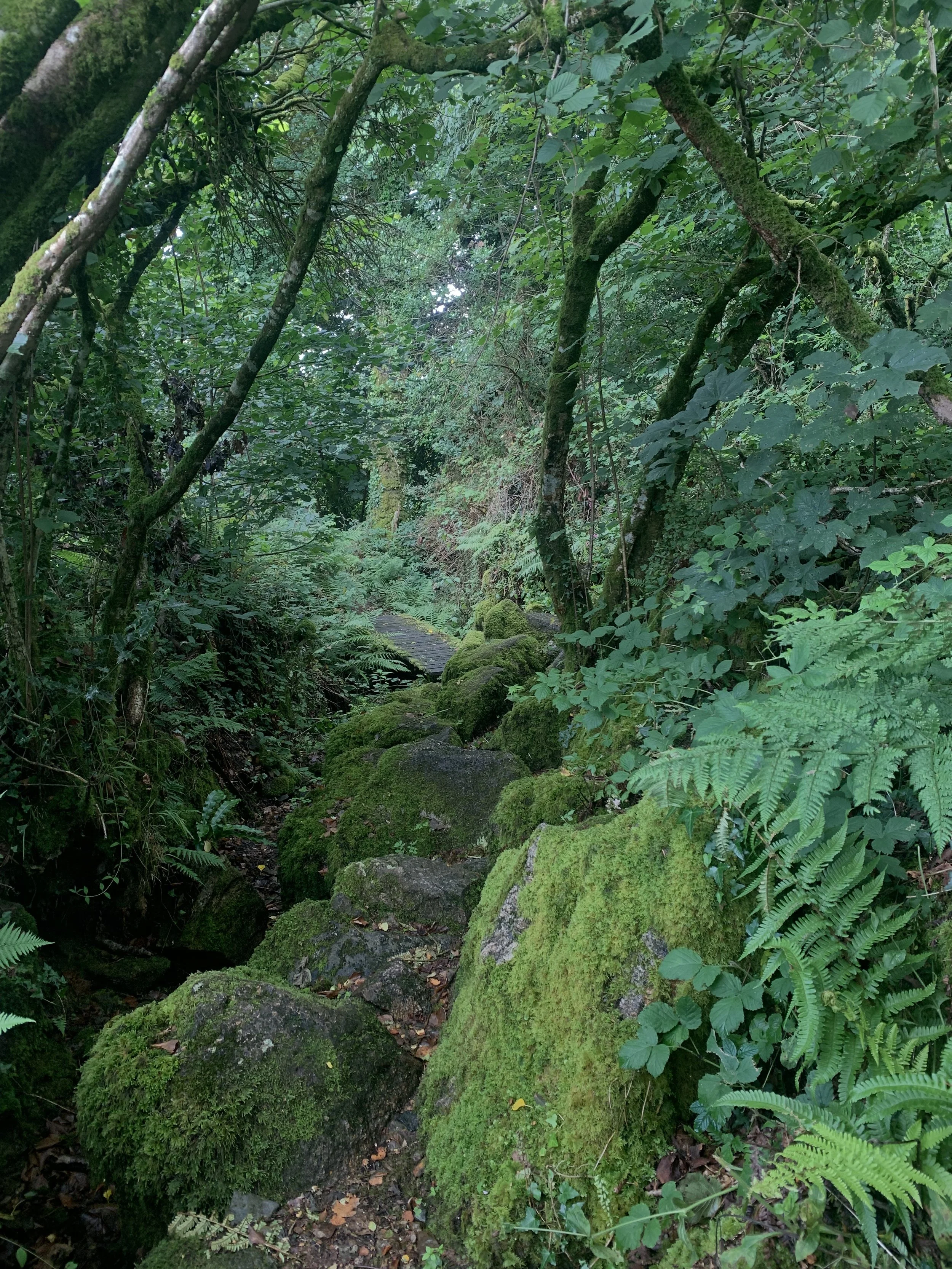
Driving over the moors the rain fell thicker and faster. Along old paths lined with stone, we journeyed into Wistman’s wood - a temperate rainforest whose ancient past drips from lichen heavy oak trees. It was impossible to not feel inspired surrounded by such ancient wisdom and beauty. A place that will stay with me forever.
Hilma af Klint & Piet Mondrian Exhibition, Tate Modern
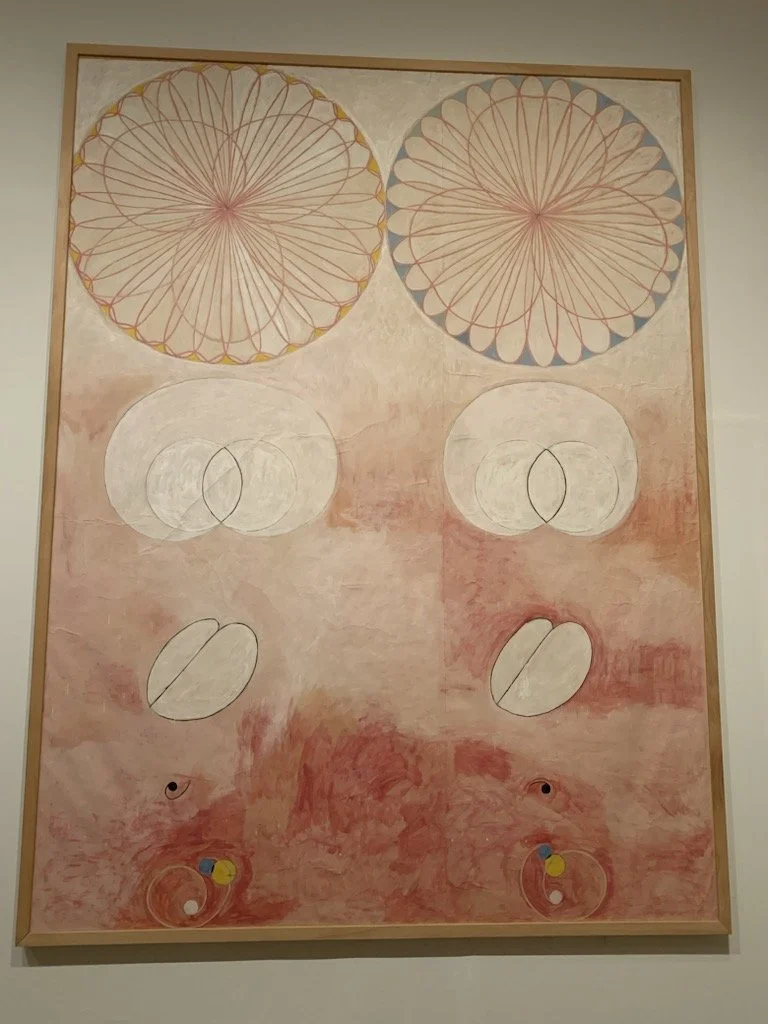
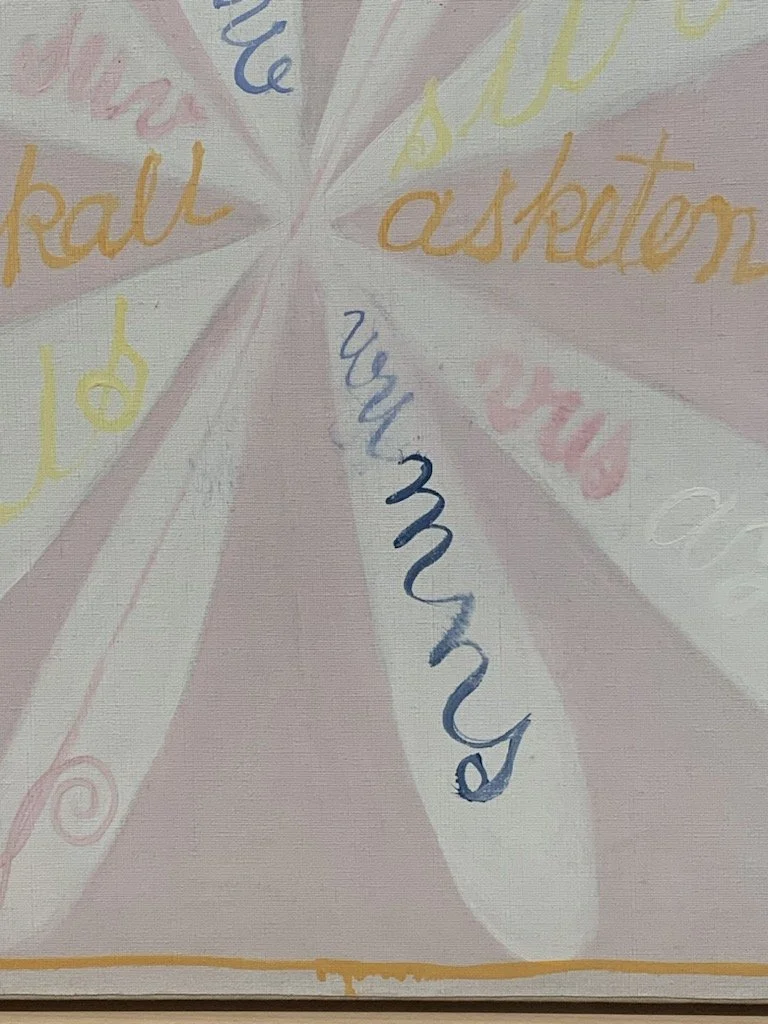
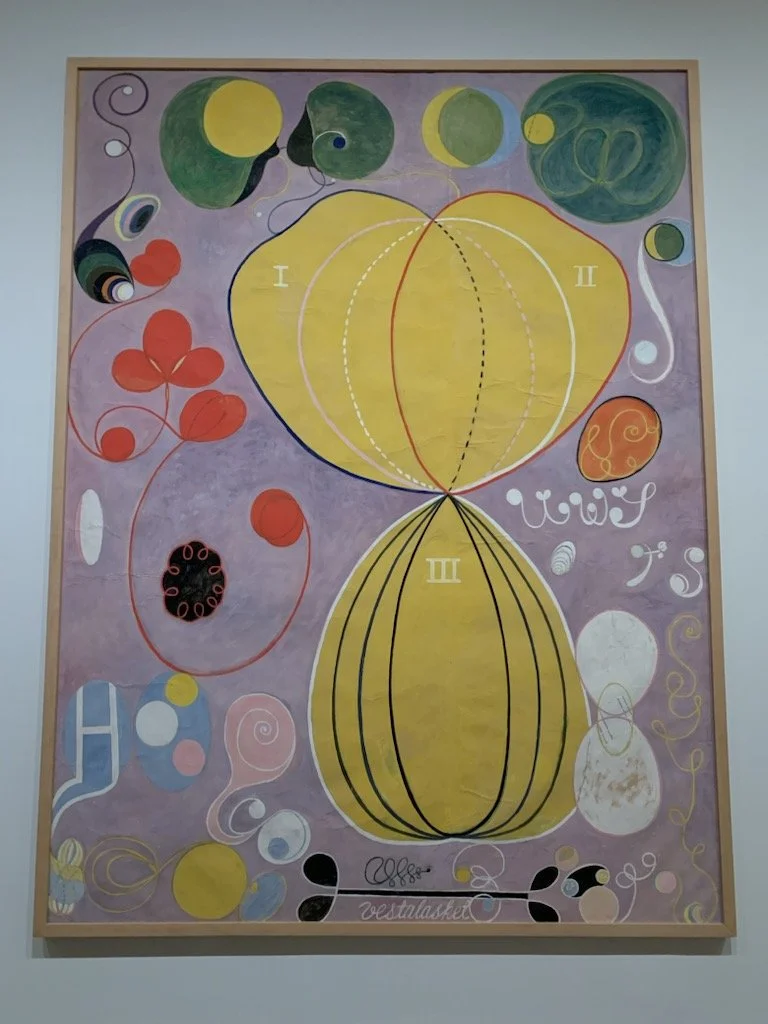
Hilma af Klint is one of those artists whose work has got under my skin. I am intrigued by her approach to life and work. Hilma af Klint uses abstract painting to express her understanding of life and the interconnectivity of spirituality, science and nature. I studied a series of her paintings, The Ten Largest and discussed them in relation to the human desire to make sense of the world for my university dissertation. It felt incredible to finally see this very series of paintings in the flesh for the very first time.